


Hey there! As a pump station supplier, I've seen firsthand how important energy efficiency is for pump stations. Not only does it save money on utility bills, but it also helps the environment by reducing energy consumption. In this blog post, I'm going to share some energy-saving methods for pump stations that you can implement to make your operations more efficient.
1. Optimize Pump Sizing
One of the most important steps in energy-saving for a pump station is to ensure that the pumps are properly sized for the application. Oversized pumps can lead to excessive energy consumption because they operate at a lower efficiency point. On the other hand, undersized pumps may not be able to meet the demand, leading to overworking and increased energy use.
To determine the right pump size, you need to consider factors such as flow rate, head pressure, and system requirements. A professional pump engineer can help you with a detailed hydraulic analysis of your system. This analysis will take into account all the variables and recommend the most appropriate pump size and type for your specific needs. By using the right-sized pumps, you can significantly reduce energy waste.
2. Use Variable Frequency Drives (VFDs)
Variable Frequency Drives are a game-changer when it comes to energy savings in pump stations. A VFD allows you to control the speed of the pump motor, which in turn adjusts the flow rate and pressure of the pump. Instead of running the pump at a constant speed all the time, a VFD can slow down the pump when the demand is low and speed it up when more flow is needed.
This ability to match the pump's output to the actual demand can result in substantial energy savings. For example, in a water supply system where the demand varies throughout the day, a VFD can reduce the pump speed during off-peak hours, consuming less energy. Studies have shown that using VFDs can reduce energy consumption in pump systems by up to 50% in some cases. So, if you haven't already, consider installing VFDs on your pumps.
3. Regular Maintenance
Regular maintenance is crucial for the efficient operation of pump stations. Over time, pumps can develop issues such as worn impellers, leaky seals, or clogged filters. These problems can cause the pump to work harder than necessary, leading to increased energy consumption.
By performing routine maintenance tasks like checking and replacing worn parts, lubricating bearings, and cleaning filters, you can keep your pumps running at peak efficiency. For instance, a dirty filter can restrict the flow of fluid, causing the pump to use more energy to maintain the required flow rate. Regularly cleaning or replacing the filter can prevent this issue and save energy.
4. Implement Pump Sequencing
Pump sequencing is a strategy where multiple pumps in a station are operated in a coordinated manner to meet the system demand. Instead of running all the pumps at once, you can use a control system to start and stop pumps based on the flow requirements.
For example, in a wastewater treatment plant, during periods of low flow, only one or two pumps may be needed to handle the load. As the flow increases, additional pumps can be started automatically. This way, you're not using more pumps than necessary, which saves energy. There are different types of pump sequencing strategies, such as lead-lag and duty-standby, and the right one for your station depends on your specific system requirements.
5. Improve System Hydraulics
The hydraulic design of your pump station can have a big impact on energy consumption. A poorly designed system with long pipe runs, sharp bends, or small-diameter pipes can create high friction losses. These losses force the pump to work harder to overcome the resistance, using more energy.
To improve system hydraulics, you can consider using larger-diameter pipes to reduce friction, minimizing the number of bends and fittings, and ensuring that the pipes are properly laid out to avoid unnecessary pressure drops. Additionally, using smooth interior pipes can also help reduce friction and improve flow efficiency.

6. Utilize Energy-Efficient Motors
The motor is a major component of a pump station, and using energy-efficient motors can make a significant difference in energy consumption. Energy-efficient motors are designed to convert more electrical energy into mechanical energy, resulting in less wasted energy in the form of heat.
When selecting motors for your pump station, look for motors with a high efficiency rating, such as those that meet the National Electrical Manufacturers Association (NEMA) Premium efficiency standards. These motors may cost a bit more upfront, but the energy savings over their lifespan can more than offset the initial investment.
7. Consider Pump Station Upgrades
If your pump station is old or outdated, it may be worth considering an upgrade. Newer pump technologies and designs are often more energy-efficient than older models. For example, some modern pump stations use advanced materials and manufacturing techniques to reduce friction and improve overall efficiency.
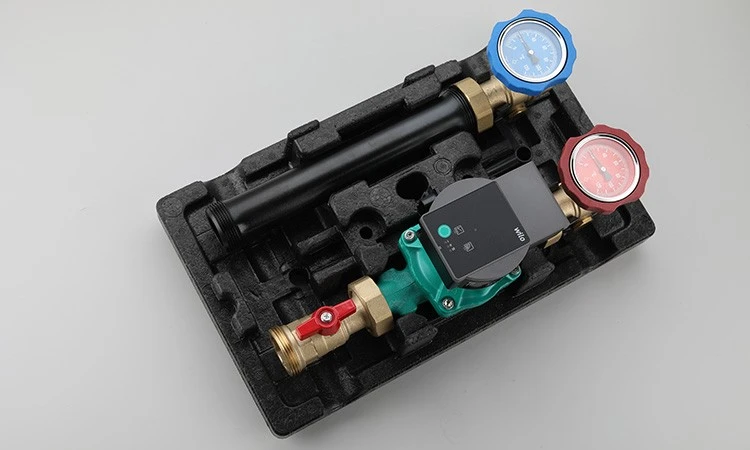
You can explore different types of pump stations, such as the Constant Temperature Mixing Pump Station or the Direct Circulating Pump Station. These advanced pump stations are designed with energy efficiency in mind and can offer significant savings compared to traditional systems.
8. Monitor and Analyze Energy Usage
Monitoring and analyzing the energy usage of your pump station is essential for identifying areas where you can make improvements. You can install energy meters and monitoring systems to track the energy consumption of individual pumps and the entire station.
By analyzing the data, you can identify patterns, such as peak energy usage times or pumps that are consuming more energy than normal. This information can help you make informed decisions about energy-saving measures, such as adjusting pump schedules or upgrading equipment.
In conclusion, there are many ways to save energy in a pump station. By implementing these methods, you can not only reduce your energy costs but also contribute to a more sustainable future. If you're interested in learning more about energy-efficient pump stations or need help implementing these energy-saving strategies, don't hesitate to reach out to us. We're here to assist you in making your pump station operations more efficient and cost-effective. Let's work together to achieve significant energy savings and a better bottom line!
References
- "Energy Efficiency in Pumping Systems" by the Hydraulic Institute.
- "Variable Frequency Drives for Pump Applications" by the Electric Power Research Institute.
- "Pump System Optimization: A Guide to Achieving System Efficiency" by the U.S. Department of Energy.


